R23,000 Isn't the Problem. The Timeline Is.
In a country where 60% of young people can't find work, South African Twitter keeps deciding a mid-level salary is the real embarrassment. Somewhere between the payslip pile-ons and the influencer flights to Zanzibar, we stopped asking what a respectable salary is and started asking what one looks like on camera.
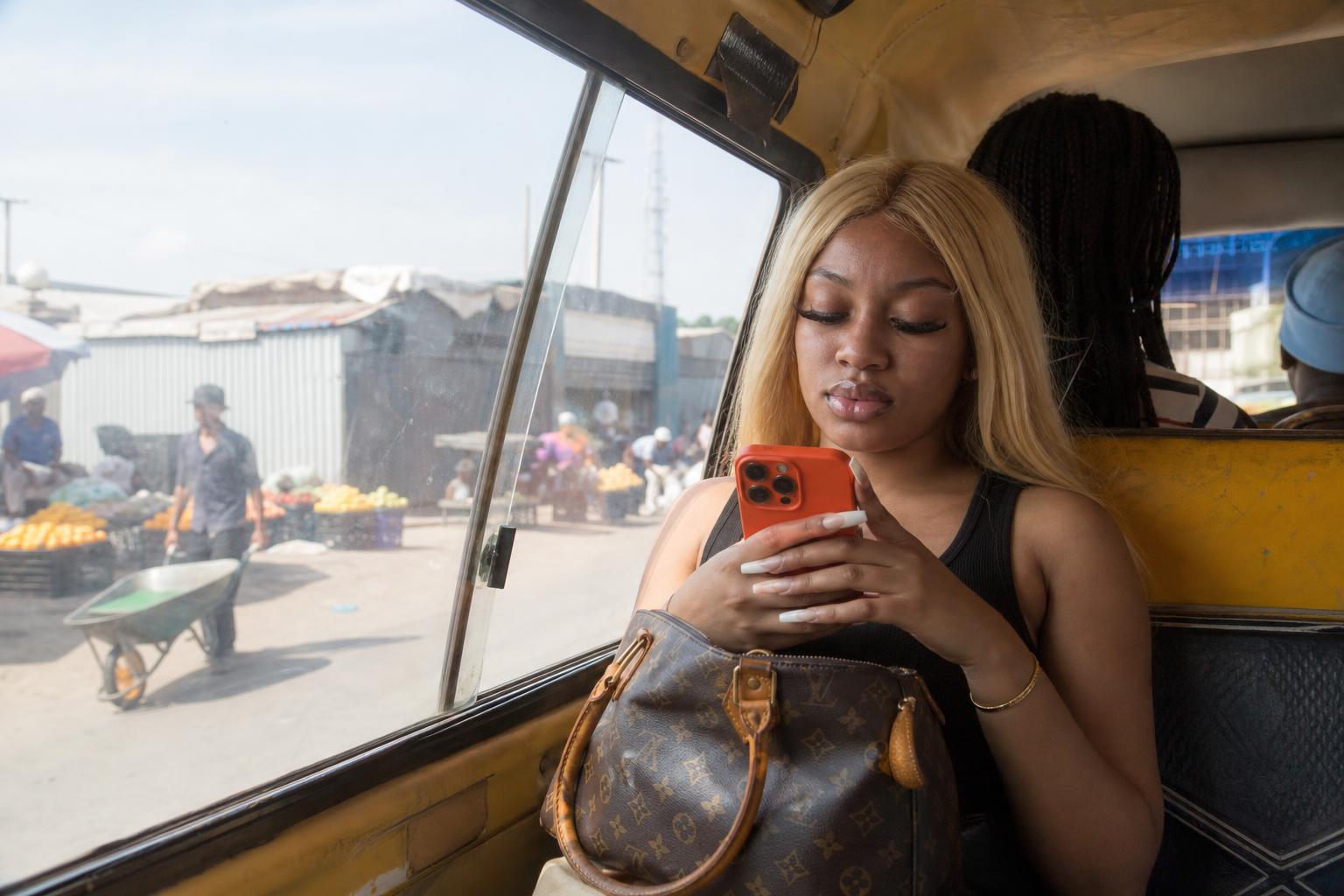
R23,000 trended again last week. Someone posted a payslip. Someone screenshotted it. By lunch, a salary that pays rent, keeps a car on the road and puts real meat in the trolley was being laughed at like a misspelt tattoo.
This is now a genre. Post payslip, quote-tweet in horror, meme, repeat. The number changes. The choreography doesn't. And the loudest people in the room are almost always broke in private.
We are a country of secret overdrafts pretending to be a country of soft launches.
AdvoBarryRoux serves up another salary for public execution
The account has turned strangers' payslips into recurring content, and the replies arrive on cue: performative disgust from people who almost certainly earn less.
View post →Here is the part the quote-tweets skip. Stats SA put youth unemployment (15 to 24) at 60.9% in Q1 2026. In the wider 15 to 34 bracket, 4.7 million young people are unemployed. Another 37.6% are not in employment, education or training at all.
So a country where most young people cannot find a job has decided the real scandal is that someone found one paying R23,000. Read that sentence twice. It should embarrass us more than any payslip.
The real scandal isn't the salary. It's that we have the appetite to mock it.
Ask what respectable actually means and the numbers scatter. BusinessTech puts a decent life anywhere between R6,600 and R27,600 a month, depending on what you're willing to give up. Stats SA logs the national average at R29,690. BankservAfrica says the average take-home is R17,144. Three official truths. Pick your fighter.
Then remember that gross is not take-home. R30,000 on paper, after PAYE, UIF, pension and medical aid, lands closer to R22,000 in the account. That R22,000 then meets a rates hike, a petrol price with mood swings and school fees written like a ransom note. By the 25th, you're doing sums in the Uber.
BusinessTech on what a decent life actually costs
The line between stability and struggle in South Africa is thinner than the feed suggests. Most of the salaries being mocked online sit right on top of it.
View post →The gap between what a salary does and what a salary looks like is where the whole discourse lives. And the feed has picked a side.
We measure income in vibes now. The rand is just the receipt.
Influencer culture built the ruler we're now measuring ourselves against. A whole generation grew up watching people who, on paper, cannot afford their own lives. Mauritius in March. Zanzibar in July. German car, borrowed bag, sponsored brunch, a very quiet SARS file.
SARS finally noticed. News24 reported this year that the taxman is trying to formally define an influencer, and to spell out that gifted trips, PR hauls and hotel comps count as income. A quietly devastating admission, because it confirms what we already suspected: a lot of what looks like wealth is marketing dressed up as a life.
Once you know the villa was comped and the bag was borrowed, the R23,000 payslip stops looking like a joke. It starts looking like the only real number in the room.
The class politics have sharpened too. Sizwe Dhlomo got dragged for what many read as poverty-shaming a fan. The tweet wasn't really the story. The tone was. South Africans clocked, in real time, a wealthier man talking down to someone with less, and the country is fresh out of patience for that music.
Bona Magazine on the Sizwe Dhlomo fan exchange
The backlash wasn't about one tweet. It was about a national allergy to any voice that sounds like money laughing at want.
View post →All of this is happening while the Madlanga Commission slowly reads the country its own wealth back to it: whose Range Rover, whose tender, whose wedding. Opulence now arrives with a footnote. A brand-new SUV in a broke municipality is not a neutral image. It's a question waiting to be asked.
So the pile stacks. Sixty per cent youth unemployment. Payslip pile-ons. Influencer fantasy. A tax net closing on it. A commission of inquiry reading the receipts. And on top of the pile, a timeline pretending it's a debate.
Respectable used to describe what a salary could do. Now it describes what a salary looks like on camera.
Here is the answer nobody wants. A respectable salary in South Africa is the one that keeps a roof up, a kid in school, a parent covered and something small going into savings. By that measure, the R23,000 the timeline keeps eating is not embarrassing. It is, for most of this country, the finish line.
The bar the feed is actually setting is different. It's the salary that photographs well. The one that survives the group chat. The one that clears the girlfriend allowance and the Cape Town weekend and still leaves change for a story. That number doesn't exist for most South Africans. And pretending it does is how we ended up mocking the ones who quietly cleared it.
The problem was never the payslip. It was the audience.
What number would actually make you feel respectable in this country, the one that keeps the lights on, or the one that survives the group chat?
Sources
- Stats SA: Quarterly Labour Force Survey
- Gov.za: Employment and Labour, Stats SA Q1 2026 QLFS
- BusinessTech: What you should earn to live a decent life in South Africa
- EWN: Take-home pay drops again
- Bona: Sizwe Dhlomo backlash over fan exchange
- News24: SARS tries to define influencers
- BBC News: South Africa, wealth and the Madlanga Commission