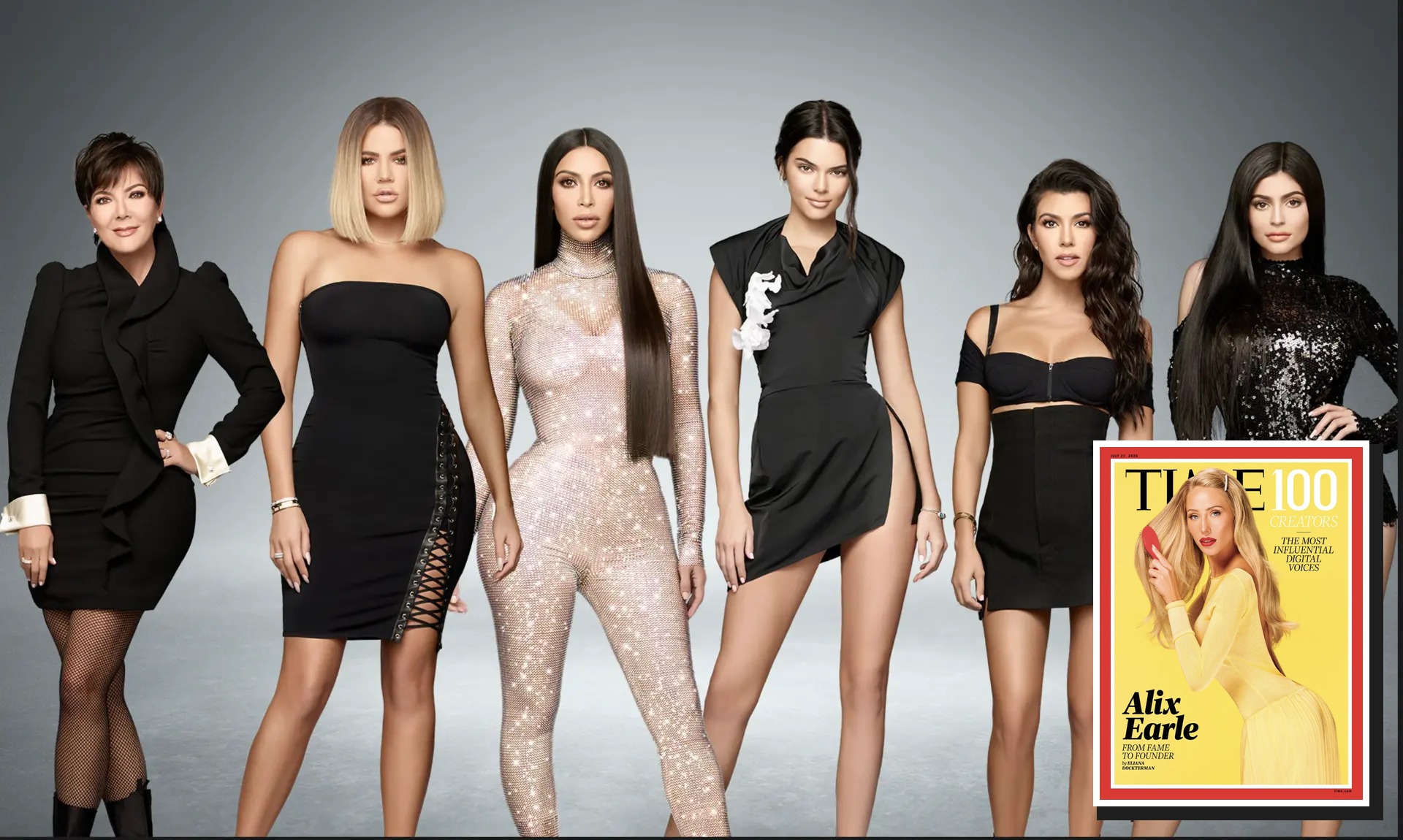
A Couple of Capitalists? Timothee Chalamet & Kylie Jenner's Latest Influencer Ventures Unmask the Ugly Truth
He's selling you a betting app. She's selling you a camera for your face. Hollywood's most photographed couple just became Big Tech's prettiest lobbyists, and nobody's even pretending otherwise.
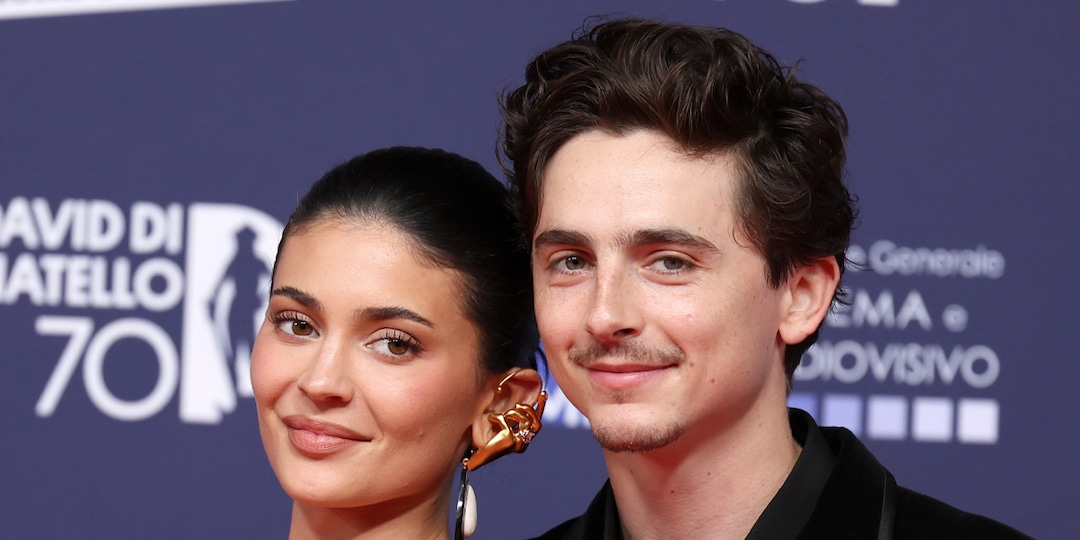
Here's the trick. You think you're watching a celebrity couple. You're actually watching a two-person ad agency for the most uncomfortable industries in America.
In the last month, Timothee Chalamet has fronted a moody, A24-coded short film for Kalshi, the prediction-market app that lets you bet real money on whether the Fed cuts rates or who wins Album of the Year. In the same news cycle, Kylie Jenner became the face of Meta's smart glasses, the ones with the camera and the microphone and the small, polite AI listening in. Two campaigns. Two industries that desperately needed a hot person to vouch for them. Two of the most papped human beings on Earth, conveniently dating each other, conveniently available.
He's making gambling look like cinema. She's making surveillance look like an accessory. The math is right there.
Start with Timothee, because Timothee is the more interesting con. This is the Oscar boy. The Marty Supreme guy. The actor critics have spent five years insisting is the only one of his generation worth taking seriously. He carries himself like he believes it, which, fair, the press has been telling him so since he was twenty-two.
And then he turns up in a Kalshi ad, narrating in that low, half-smirking voice, looking like he wandered out of a Sofia Coppola film and into a sportsbook. The spot is gorgeous. It is also, structurally, an advertisement for putting your rent on an election outcome. Kalshi is not a vibe. Kalshi is regulated gambling with a UX designer. And the entire pitch of the campaign is that if Timothee Chalamet does it, it's not gambling, it's discourse.
This is the part nobody at the agency will say out loud. The ad doesn't need to explain prediction markets. It needs to make them feel like the kind of thing a guy who reads at premieres might do on his phone between takes. He's not selling the product. He's laundering its tone. There's a difference, and the difference is the entire fee.
Kylie's hustle is older and, in a strange way, more honest. She has been selling things to you since she was a teenager. Lip kits, skincare, shapewear, a fashion line, a baby brand, a tequila-adjacent lifestyle. Some of it worked. Some of it (Kylie Skin, Khy, the quietly shelved bits) did not. The Forbes billionaire headline got walked back. The myth got dented. What survived intact is the only skill that ever mattered: Kylie can make you want a thing simply by being photographed near it.
Meta needs that skill the way a drowning man needs a rope. The smart-glasses category has spent two years being described, accurately, as creepy. Cameras on your face. A microphone near your ear. An AI quietly cataloguing what it sees. The tech press has been politely horrified. Meta does not need another spec sheet. It needs someone who can make wearing the things look like a flex instead of a felony.
Kylie doesn't need to argue the glasses are safe. She just needs to be photographed in them looking expensive.
Enter Kylie, in the campaign, looking like she always looks: rich, bored, slightly unbothered, the glasses perched like they cost more than they do. The discomfort doesn't disappear. It gets restyled. The product stops being surveillance hardware and starts being the new It bag with a battery in it. That is not marketing. That is alchemy, and she's the only person currently being paid to do it at scale.
Put the two campaigns next to each other and the shape of the new celebrity economy clicks into place. The old endorsement deal was simple. Star drinks the soda. Star wears the watch. Everybody understood the trade.
The new endorsement deal is something else. Timothee and Kylie aren't being hired to move units. They're being hired to soften systems. To take an industry that makes people uneasy, drape it in good lighting, and hand the room permission to like it. The fee isn't for reach. Reach is cheap. The fee is for warmth, and warmth is what makes a Black Mirror premise feel like a wardrobe choice.
Reach can be bought anywhere. Warmth is the rare asset, and right now, it's for sale.
The internet, predictably, has split clean down the middle. One half thinks the two of them are reading the moment perfectly. The line between art and ad has been dissolved for a decade, the argument goes; Timothee and Kylie are just the first couple competent enough to work both sides at once.
The other half is less polite. Sellout is back in the vocabulary, joined by its more analytical cousins: normalisation, AI laundering, surveillance capitalism. The case is brutal and not entirely wrong. Celebrities at this altitude do not take these jobs by accident. They take them because the cheque is enormous and the cultural penalty, in their bubble, is roughly zero. The downstream cost lands on everyone else.
Calling it selling out misses what's actually going on. They aren't betraying anyone. They are doing exactly what the system hired them to do: make the next decade of capitalism feel intimate, stylish, and slightly inevitable. The Meta glasses launch doesn't read like a dystopia because Kylie is wearing them. The Kalshi ad doesn't read like a casino because Timothee narrated it. That's not endorsement. That's anaesthetic, and it's working.
Which leaves the rest of us with a small, unflattering question. If the most photographed couple of the year can quietly normalise machine listening and speculative finance between brunches, who is supposed to push back? Not the regulators, who are already losing the argument. Not the press, who needs the access. The campaign is the vote. Nobody asked us.
Timothee and Kylie have, between them, become the human interface for the part of the future the brochures don't show you. They're charming about it. The clothes are gorgeous. The fit is harder to call.
They're not endorsing products anymore. They're laundering systems.
Are Timothee and Kylie reading the moment, or quietly selling it to us?